


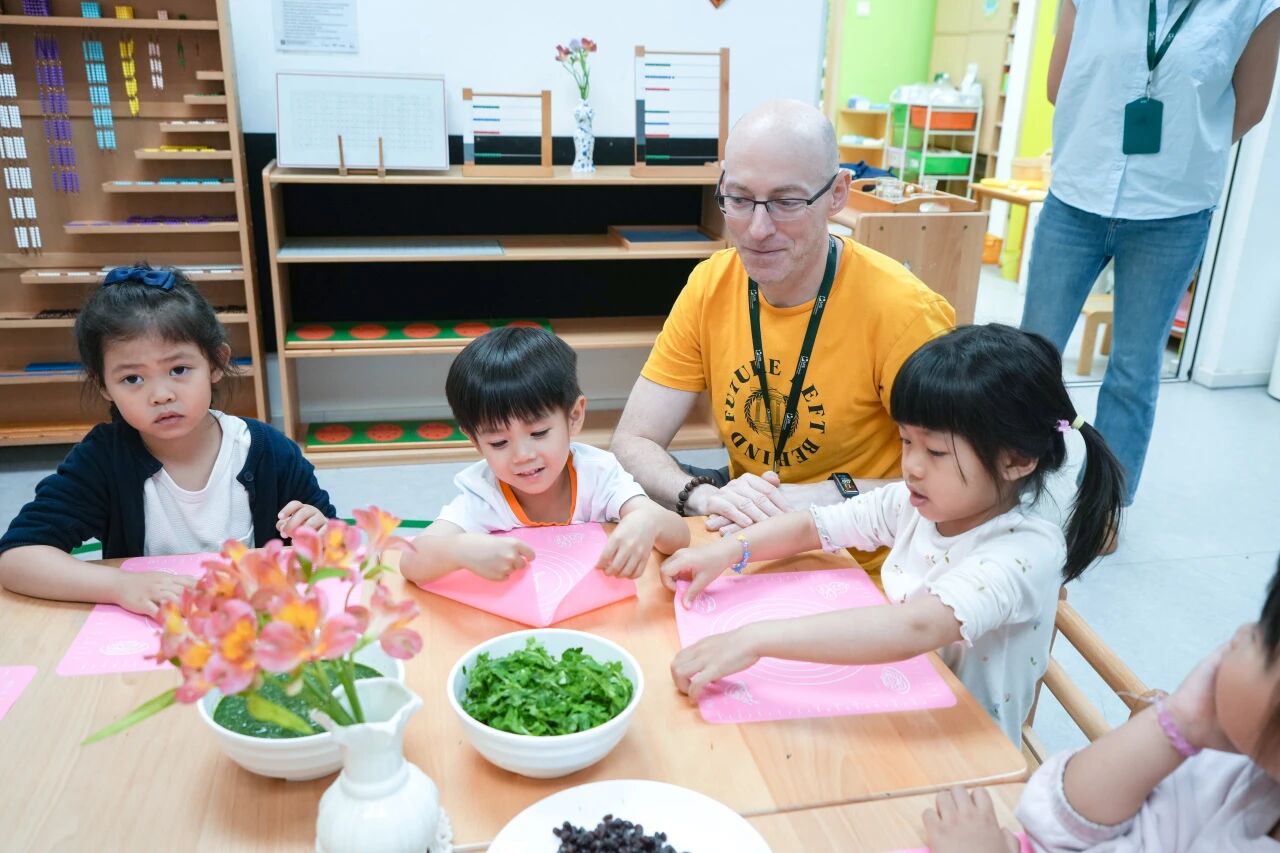
Around the Qingming Festival, the earth is moist and life begins to sprout. Layers of green, from light to deep, quietly imprint the vitality of spring onto our minds and bodies. Nature never holds back its gifts – flowers of all shapes and colors bloom one after another, while purple wood sorrel, dandelions, shepherd’s purse, and mugwort gradually blanket the ground.
We believe the meaning of Qingming goes beyond remembrance and paying respects to ancestors. It also calls us to step into nature. And it is precisely during this season that the wonders of herbs can be naturally placed into the hands of children.
Seek the Joy of Herbs
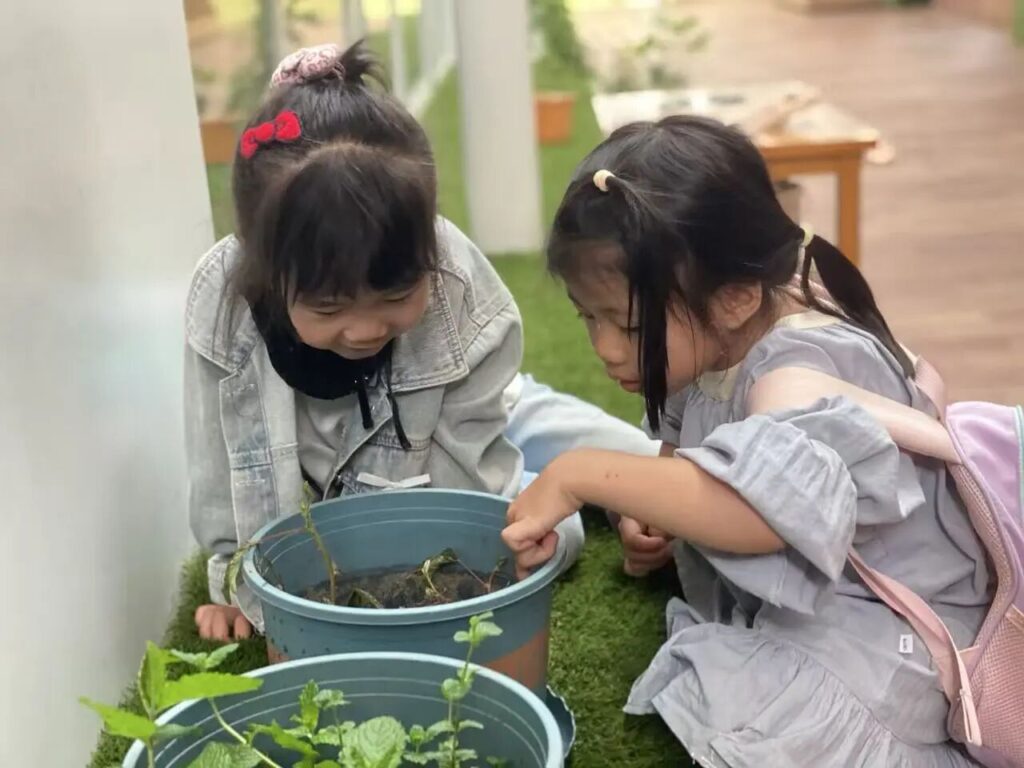
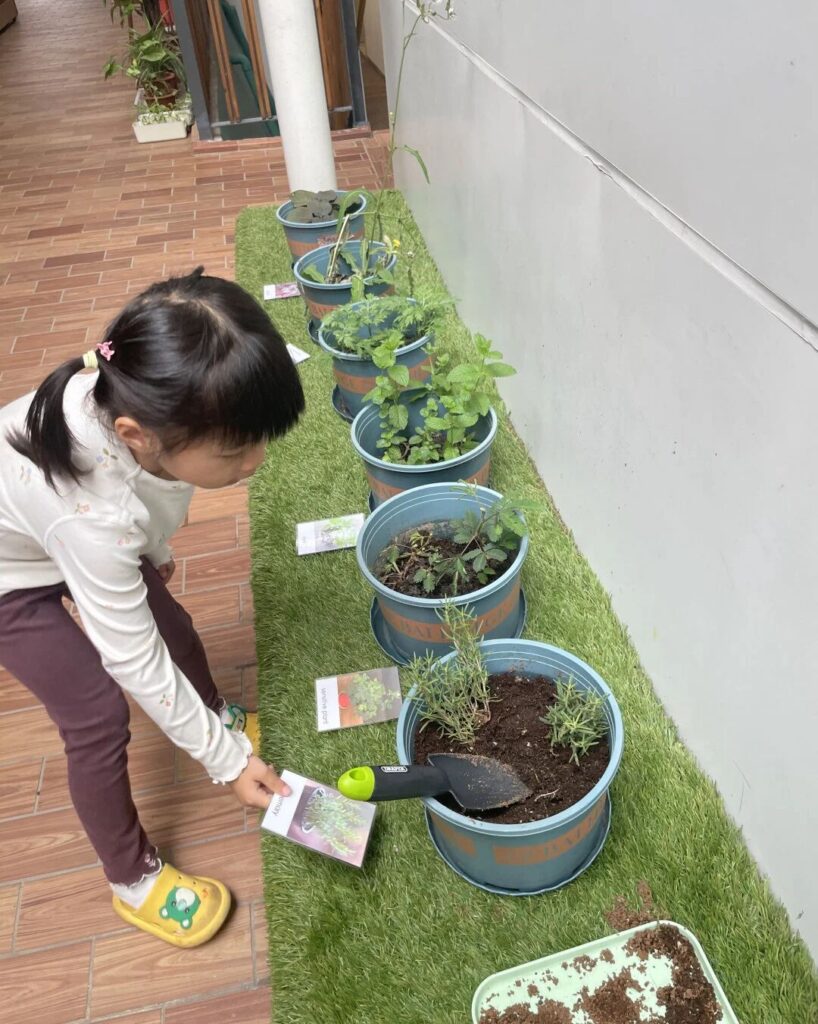
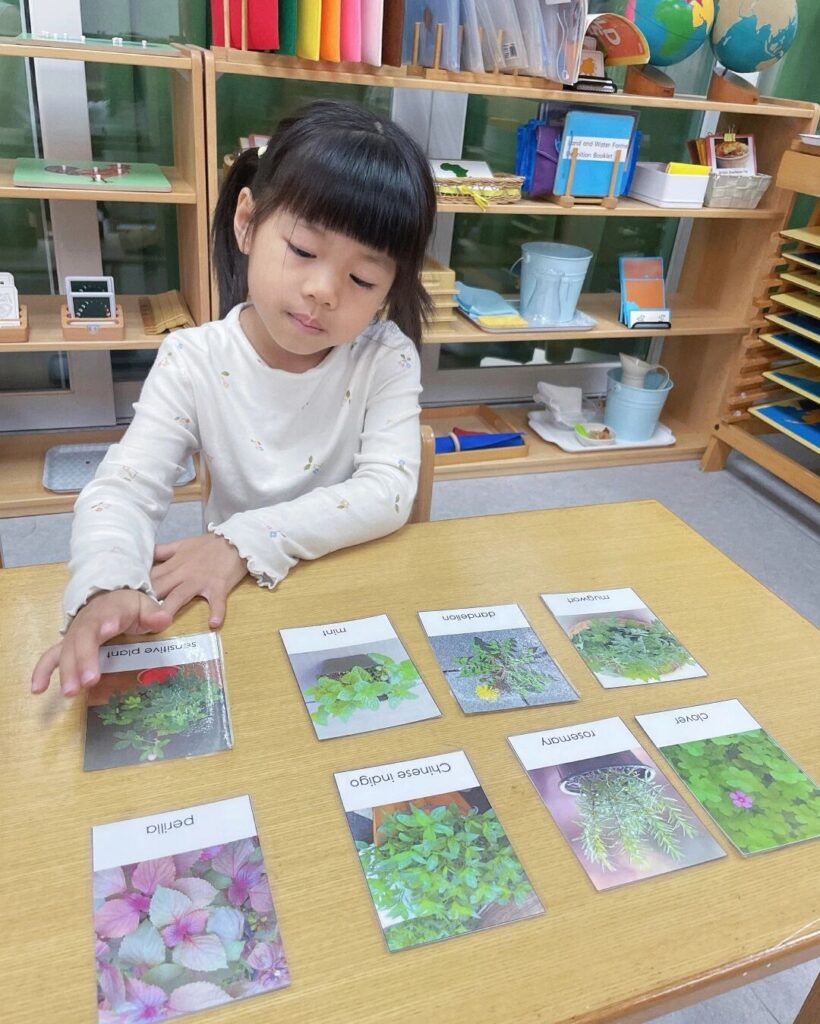
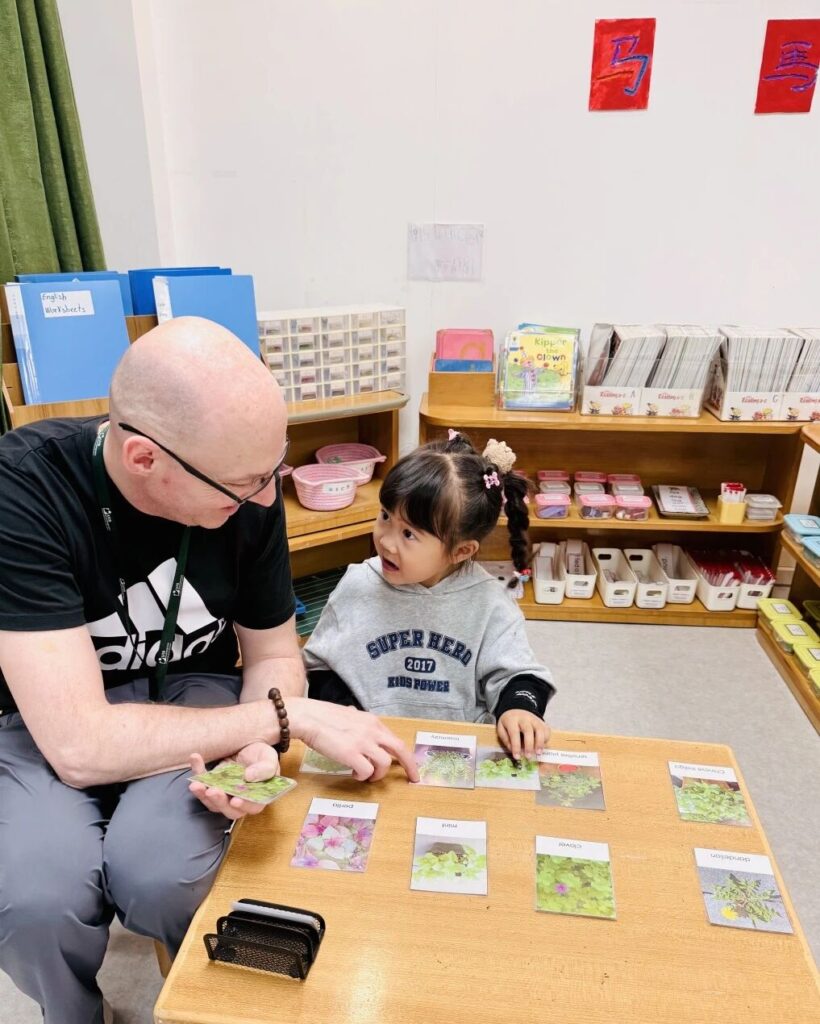
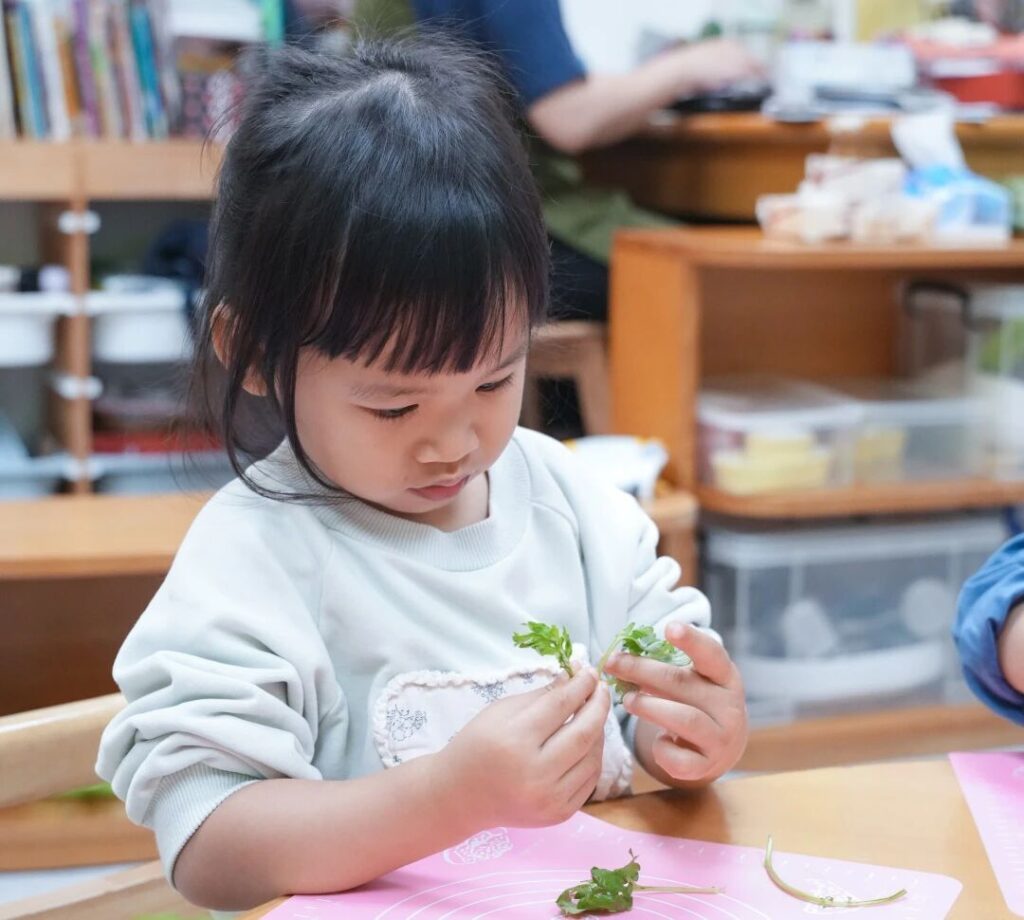
At UNC, the teachers spent the week guiding the children on an exploration of herbs. They brought the gifts of nature into the classroom: perilla, dandelion, mint, mugwort, mimosa, rosemary… The children were fascinated by the sensitive plant– “Look, its leaves are closing up!” And when they smelled the rosemary, they said with delight, “It smells so good!”
✦ QING MING
Savor the Pleasure of Handmade
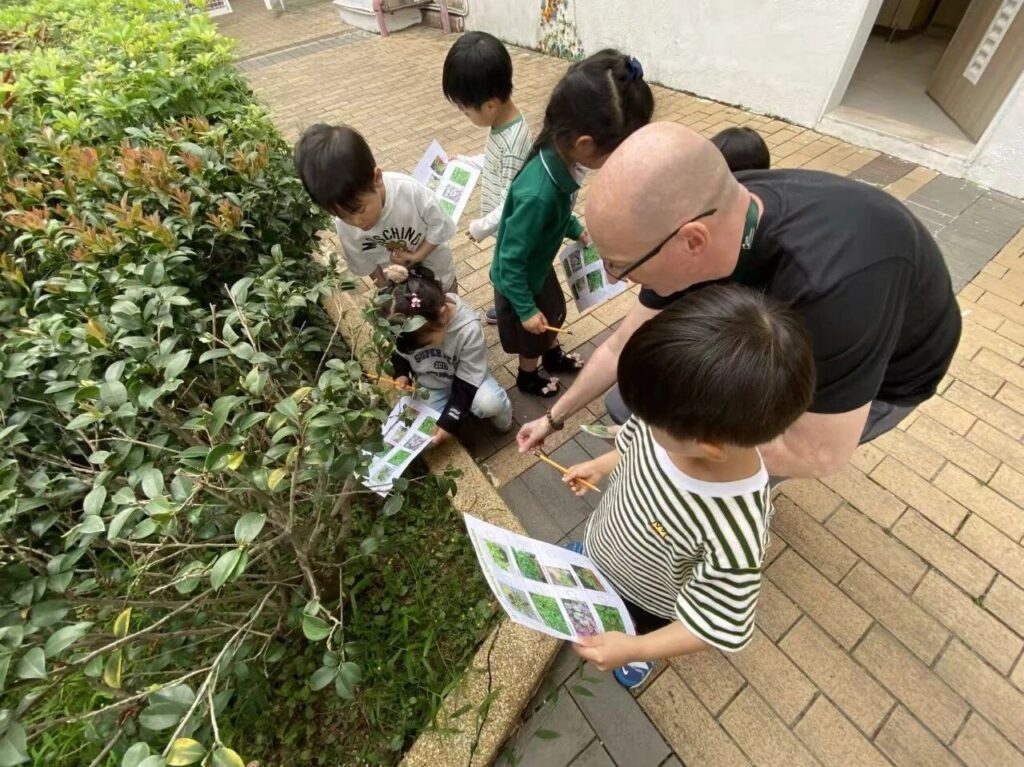
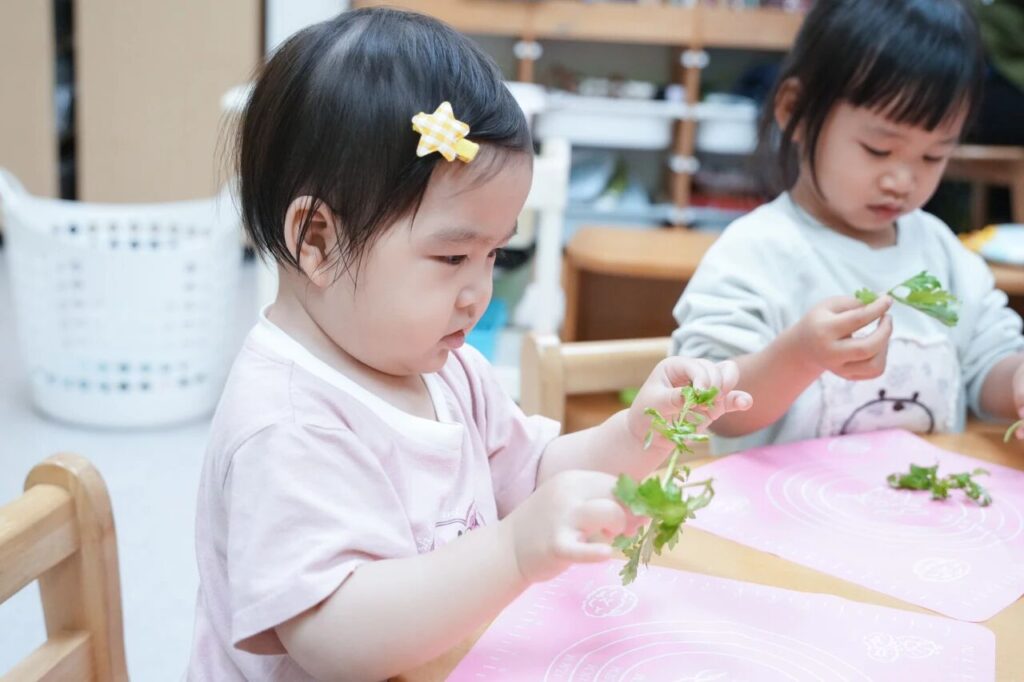
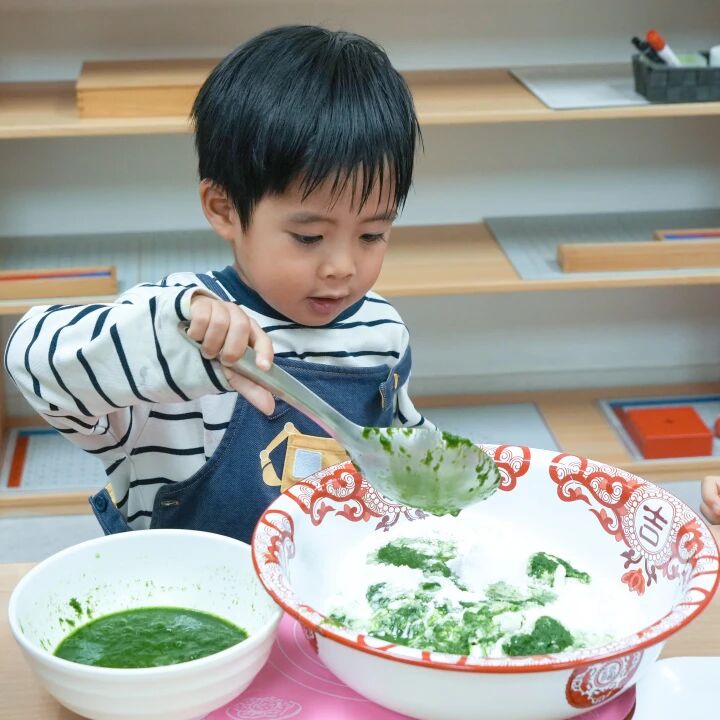
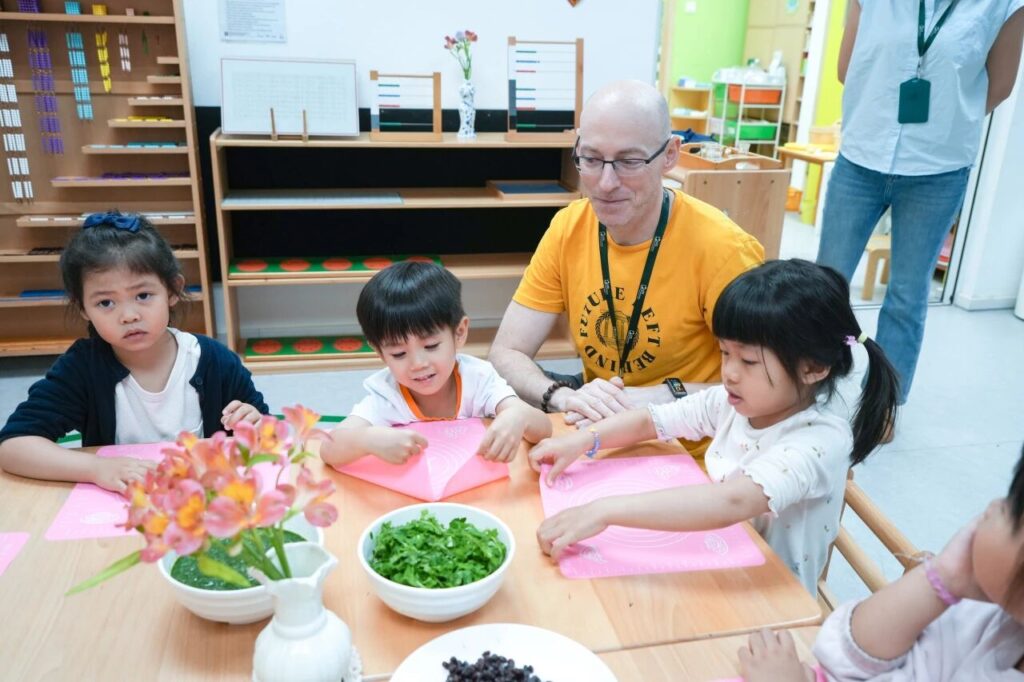
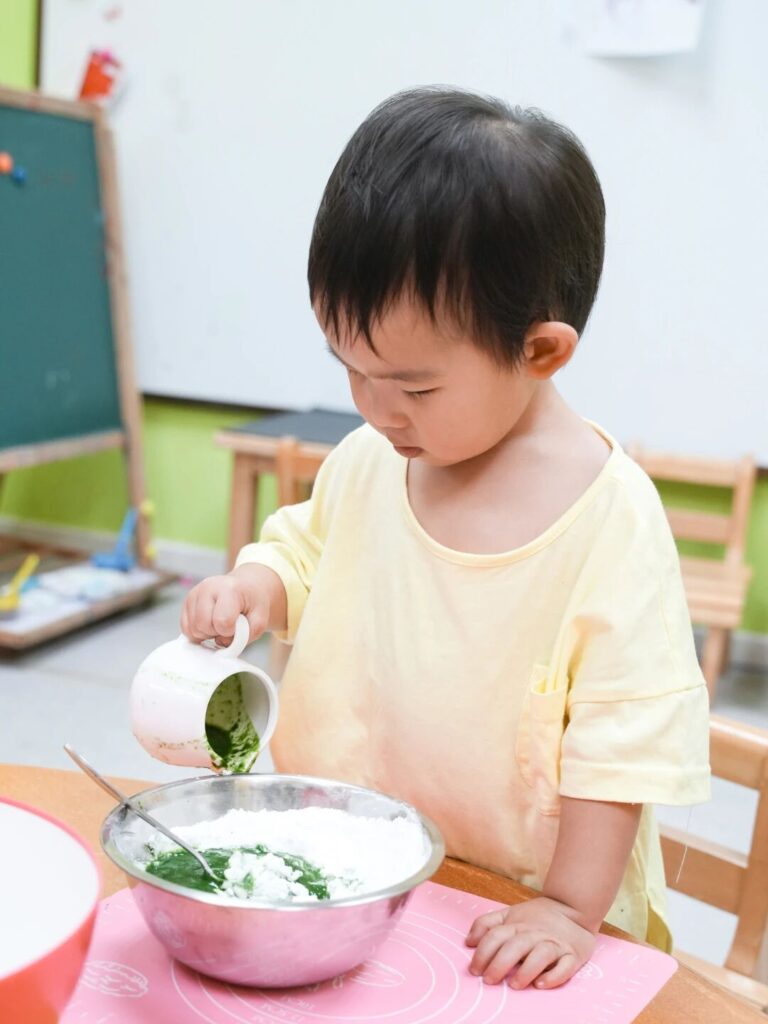
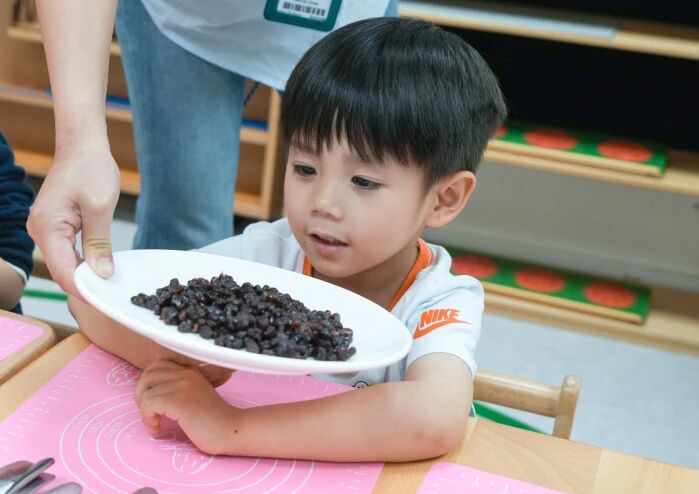
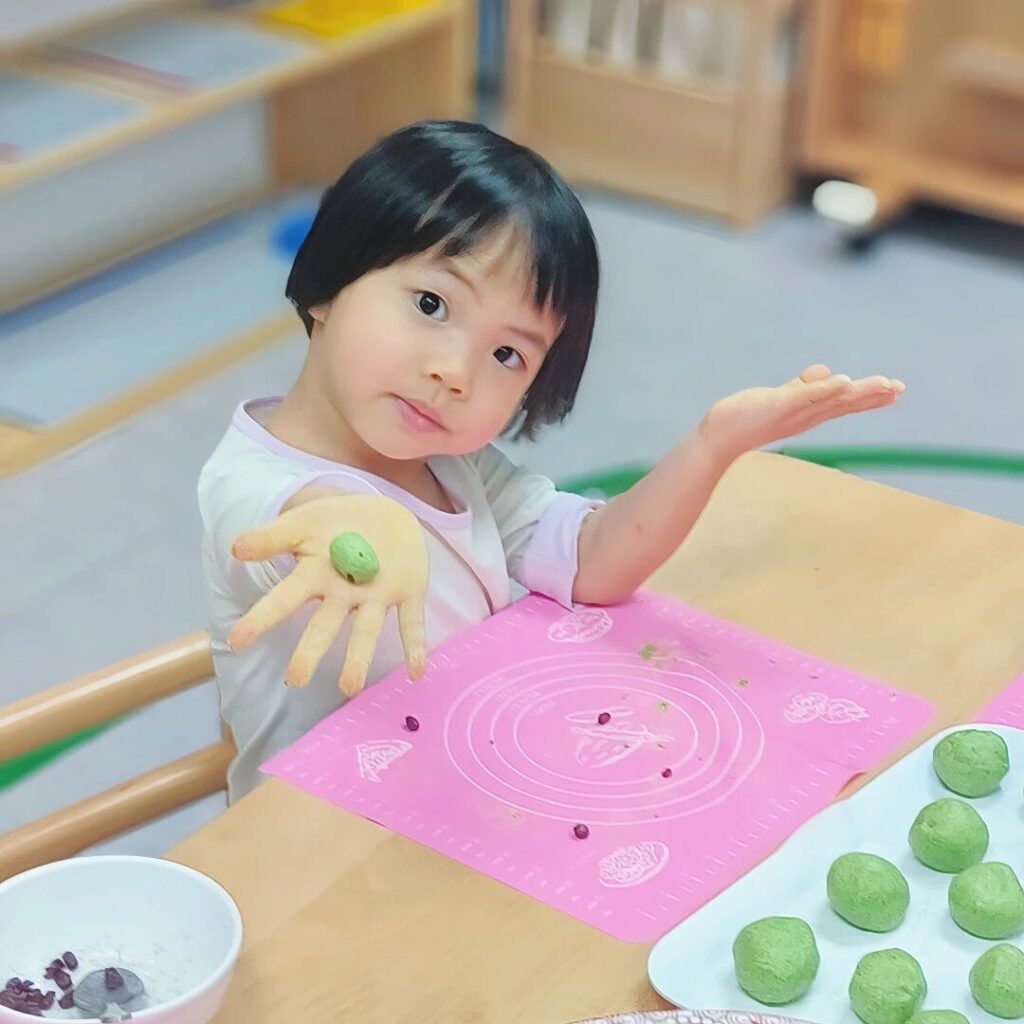
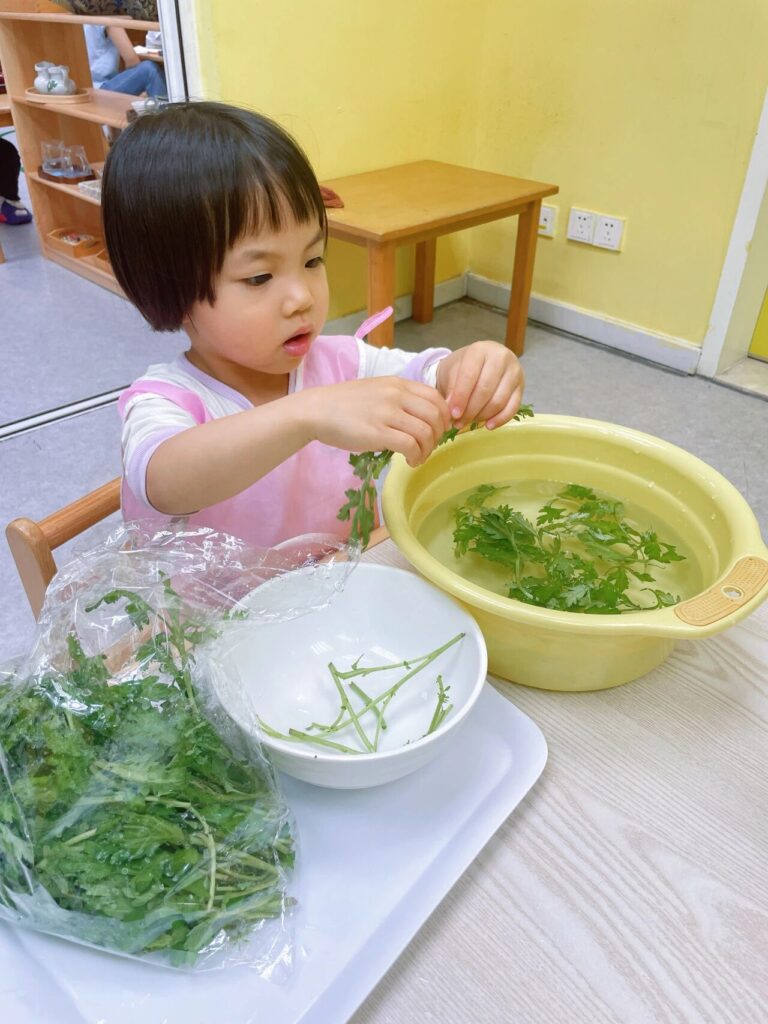
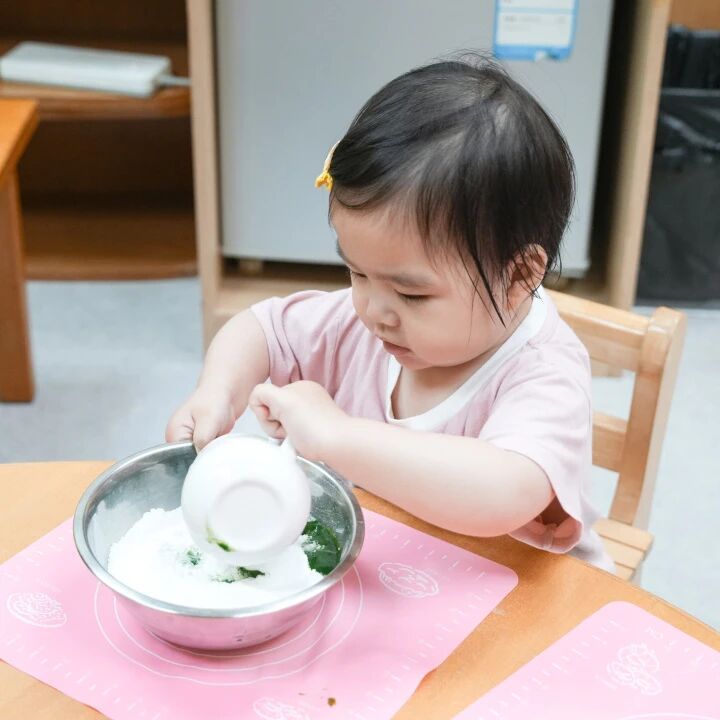
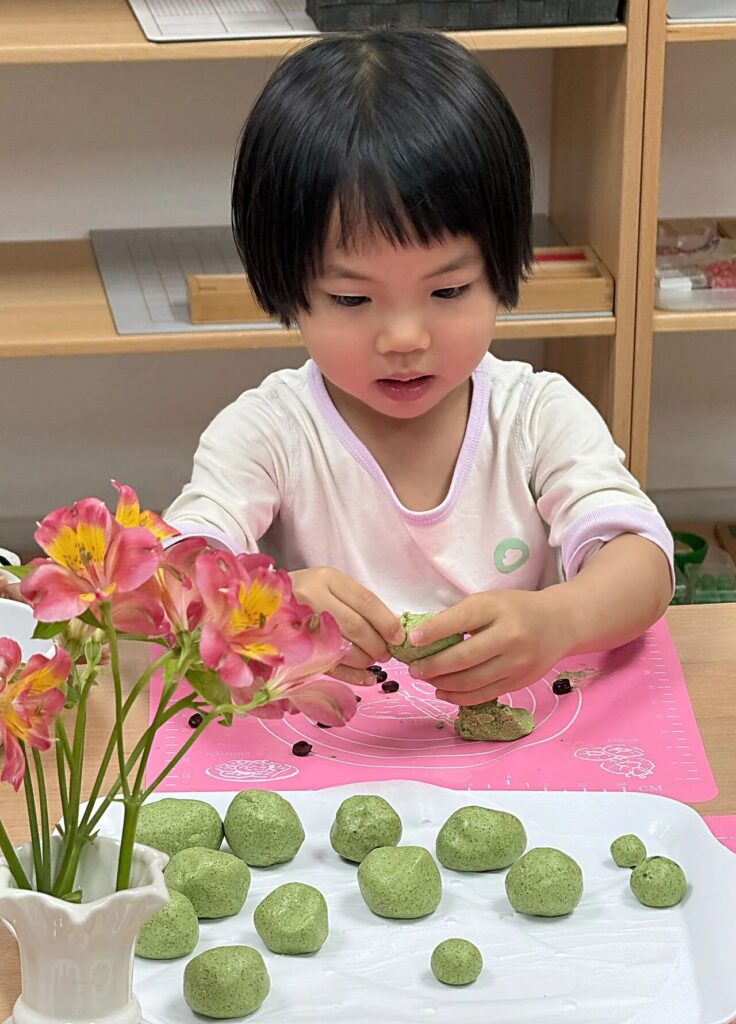
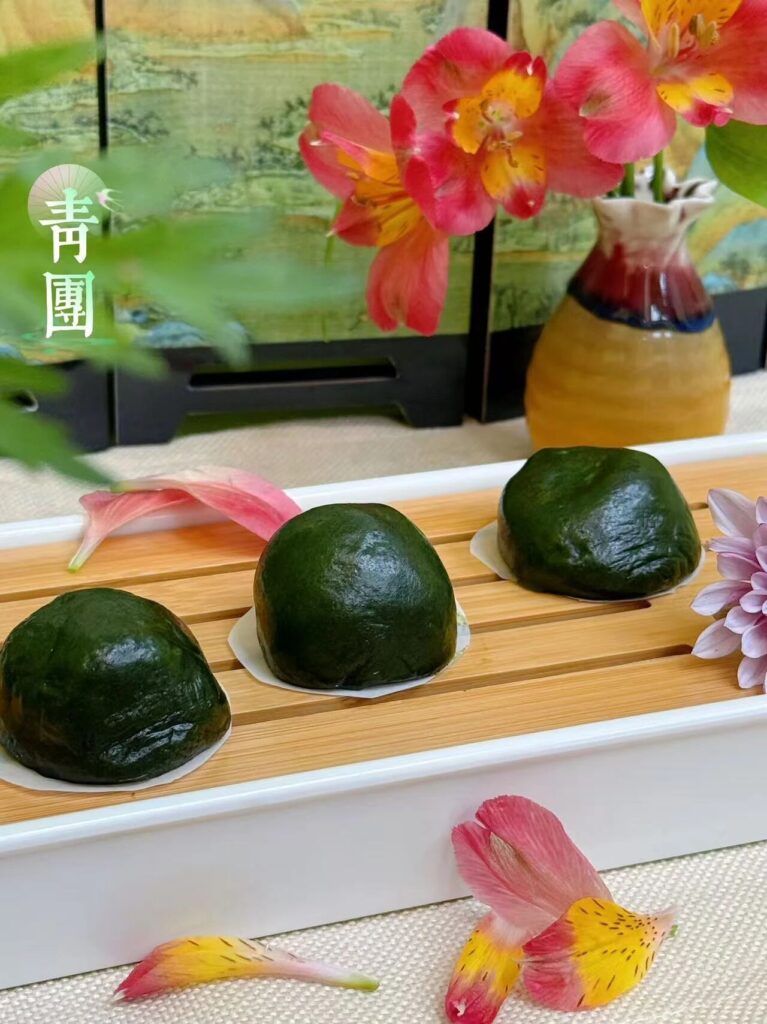
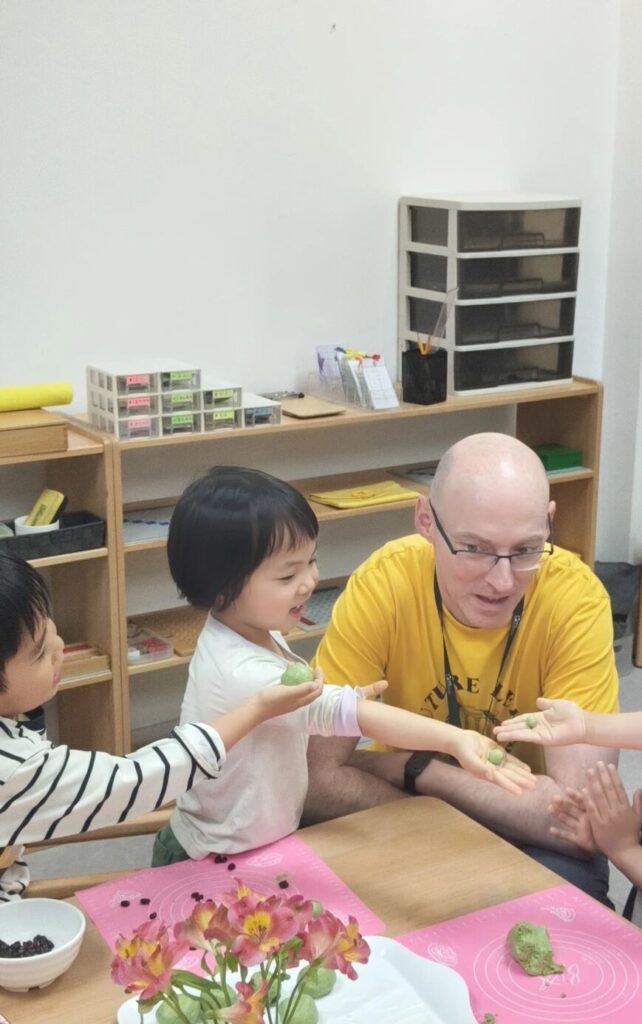
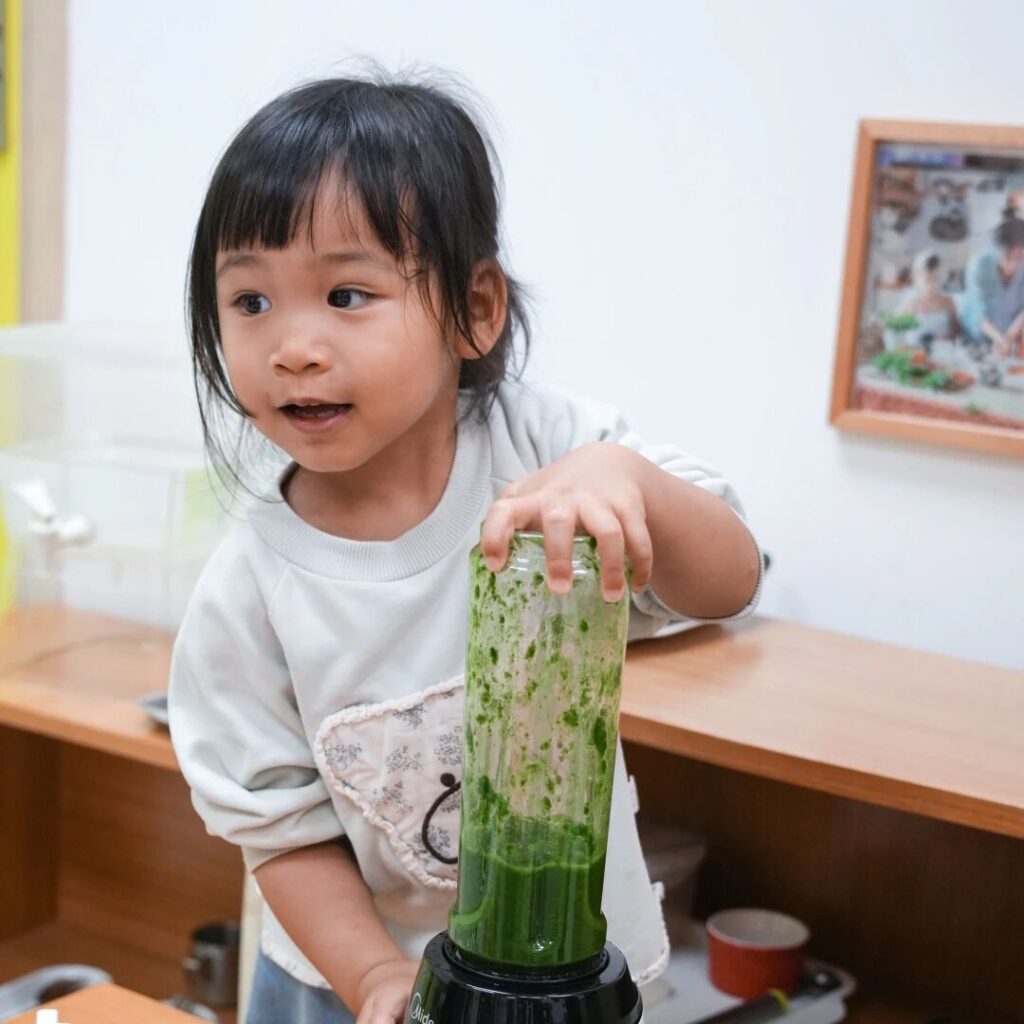
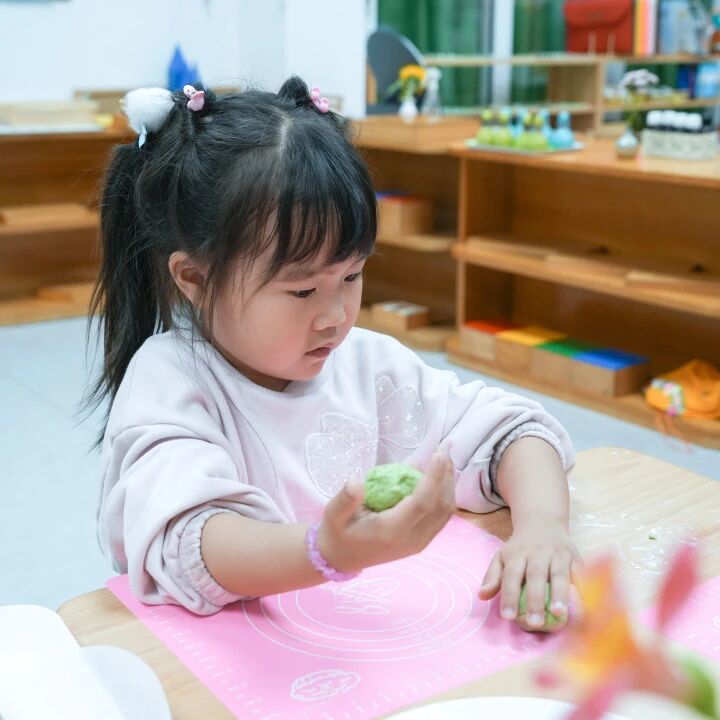
The teachers also designed an “Herb Scavenger Hunt” game, taking the children outdoors to search with their eyes and touch with their hands. The children washed lemon leaves themselves and brewed their own cups of mint lemon tea. When making mugwort riceball, they inhaled the fresh fragrance of mugwort and shepherd’s purse, took turns putting mugwort into the juicer, and kneaded the dough and filled the dumplings with their own hands. From a single leaf to a taste of spring, the entire process unfolded before them.
清明 QINGMING
Embrace the Wisdom of the Senses
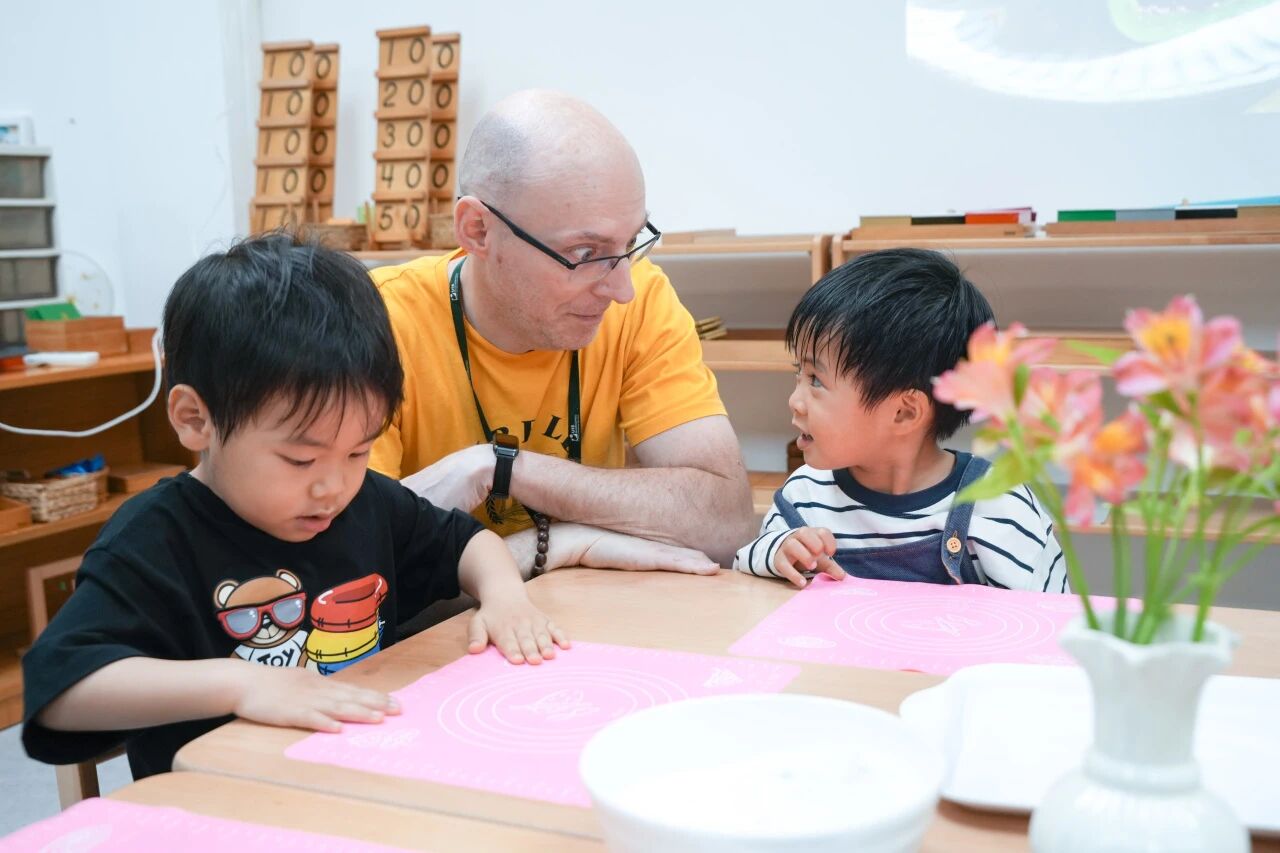
Children are sensory learners. Maria Montessori reminds us: true understanding begins with concrete experience. When we place real objects into children’s hands and give them the chance to see, touch, smell, and taste, they are not passively receiving knowledge – they are actively constructing their own understanding. This deep, sensory connection allows a love for nature to become a natural and effortless part of who they are.
The world of herbs holds many more mysteries waiting to be discovered. Rosemary and perilla can become delicious seasonings; mugwort and dandelions serve as both food and medicine; and indigo can be used to dye fabric. Herbs are one of nature’s most generous gifts. And all we can do is pass them into children’s hands in the most authentic and respectful way possible.
QingMing
QING MING FESTIVAL
传统
清明节前后,大地湿润,万物萌发。深深浅浅的绿意,将春天的生机悄然印入我们的身心。大自然从不吝啬它的馈赠——形色各异的鲜花次第绽放,酢浆草露出紫色的小花,蒲公英、荠菜、艾草也陆续铺满大地。
我们相信,清明节的意义,不止于祭拜与缅怀。它同样在召唤我们走进自然,也正是在这样一个时节,草本的奇妙可以自然而然地交到孩子手中。
寻草本之趣
在UNC,老师们这一周带着孩子们展开了一场关于草本植物的探索。他们将大自然里的草本“请”进教室:紫苏、蒲公英、薄荷、艾草、含羞草、迷迭香……孩子们被含羞草深深吸引——“你看,它的叶子收起来了!”闻到迷迭香时,他们陶醉地说:“好香啊!”
✦ QING MING ✦
品手作之乐
老师们还设计了“草本寻宝”的游戏,带孩子们走进大自然,用眼睛去寻找、用手去触摸。孩子们自己清洗柠檬叶,为自己冲泡一杯薄荷柠檬茶。制作青团时,他们闻着艾草和荠菜的清香,依次将艾草放入榨汁机,亲手揉面团、包馅料。从一片叶子,到一枚可以品尝的青团,整个过程在他们手中完整地展开。
悟感官之学
孩子是感官学习者。玛丽亚.蒙台梭利告诉我们:真正的理解,始于具体的体验。当我们把真实的物品交到孩子手中,让他们有机会去看、去摸、去闻、去尝,他们便不是在被动接受知识,而是在主动建构自己的认知。这种深刻的感知,会让对自然的热爱,轻松而自然地成为他们身体与心灵的一部分。
草本的世界里,还藏着更多奥妙等待被发现。迷迭香与紫苏可以成为美味的调料,艾草和蒲公英既是食物,也是草药,兰草还能用于染布。草本,是大自然赠予我们的一份厚礼。而我们能做的,是把它以最真实、最尊重孩子的方式,轻轻递到他们手中。
by Jill Wen
/ 終了


 Japanese
  English
  Chinese
  Korean